Air Compressor Filter Elements
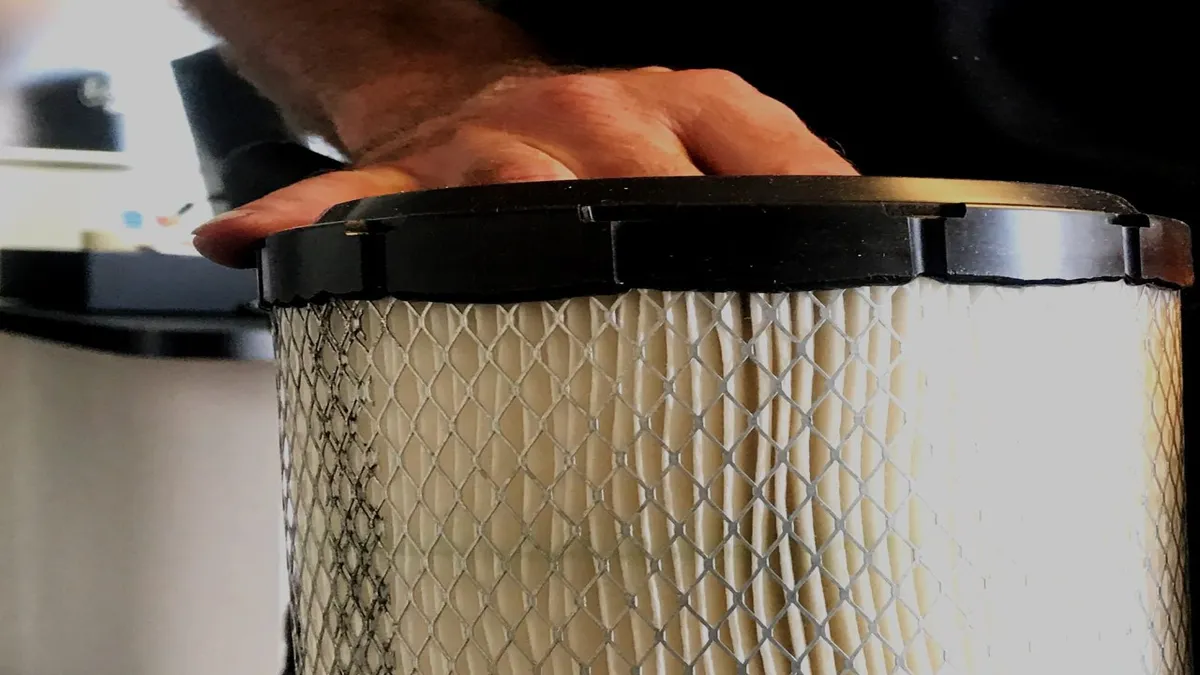
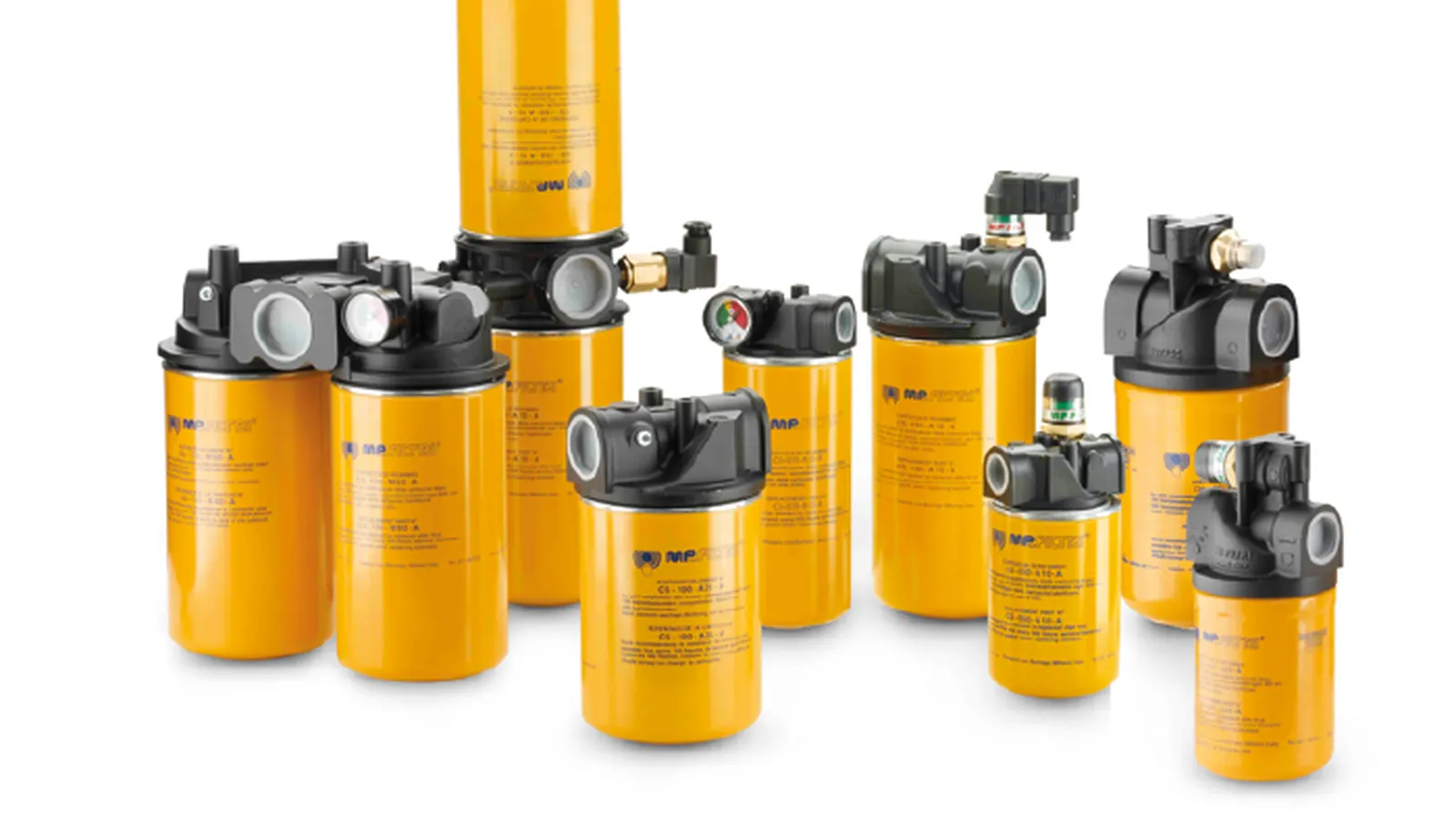
Air compressor filter elements are the consumables that keep compressed air clean: an intake air filter guards the screw element, an oil separator strips oil mist from the discharge air, and coalescing filters polish the air to ISO 8573-1 purity classes. Our range covers all three families with drop-in fit for Atlas Copco, Ingersoll Rand, Kaeser, Sullair and Gardner Denver compressors.
Why Air Compressor Filter Elements
Air compressor filter elements are the consumables that keep compressed air clean: an intake air filter guards the screw element, an oil separator strips oil mist from the discharge air, and coalescing filters polish the air to ISO 8573-1 purity classes. Our range covers all three families with drop-in fit for Atlas Copco, Ingersoll Rand, Kaeser, Sullair and Gardner Denver compressors.
- Oil separator elements with typical separation efficiency of 2-3 ppm residual oil
- Coalescing elements reaching ISO 8573-1 class 1 oil content (0.01 mg/m³) in a full filter train
- Intake air filter elements with high dust-holding capacity for dusty plant environments
- Drop-in fit for Atlas Copco, Ingersoll Rand, Kaeser, Sullair and Gardner Denver machines
- Media rated to 120°C working temperature, tested for burst strength and differential pressure
- Factory-direct pricing with per-lot inspection reports and sample programs
WHY AIR COMPRESSOR ELEMENTS
Three Filters Keep One Compressor Alive
Each element protects a different stage of the compressed air system. Skipping or stretching one of them costs you in oil carryover, energy draw and downtime.
Oil Separator Elements
The oil separator sits in the compressor's oil circuit and strips oil mist from the discharge air stream. At 2-3 ppm residual oil, tooling, valves and downstream dryers stay clean. A worn separator pushes oil past the air end and into the plant's air mains.
Intake Air Filters
The intake filter is the compressor's first line of defense, trapping dust, pollen and process debris before the screw element sees them. High dust-holding capacity matters most in foundries, cement plants and outdoor installations. A clogged intake element starves the compressor and drives up energy draw.
Coalescing and Precision Filters
Downstream of the compressor, coalescing elements capture oil aerosols, water droplets and fine particles that survive separation. Two or three stages in series reach ISO 8573-1 class 1 oil content at 0.01 mg/m³. Food, paint and instrument air lines typically specify this level.
DECISION TABLE
Oil Separator vs Coalescing Filter vs Intake Filter
Three elements, three jobs. This table shows where each one sits, what it removes and when to change it.
| Factor | Intake Air Filter | Oil Separator | Coalescing Filter |
|---|---|---|---|
| Where it sits | Before the air end | Inside the oil circuit, at the receiver | Downstream, before point of use |
| What it removes | Dust, grit, process debris | Oil mist from discharge air | Oil aerosols, water, fine particles |
| Typical change interval | 1,000-2,000 h in dusty plants | 2,000-4,000 h | 6-12 months, or when Δp climbs |
| Failure symptom | Higher energy draw, vacuum gauge in red zone | Oil carryover into air mains, rising oil consumption | Pressure drop climbs, oil spotting at tools |
COST CALCULATOR
What Air Compressor Filter Elements Cost per Year
Worked example for a plant running 8 rotary screw compressors, each consuming 2 intake elements, 2 oil separators and 2 coalescing elements per year.
| Element family | Pieces per year | Typical unit price | Annual spend |
|---|---|---|---|
| Intake air filter | 16 | $18 | $288 |
| Oil separator | 16 | $45 | $720 |
| Coalescing element | 16 | $25 | $400 |
| Total per year | 48 elements | $1,408 | |
| OEM-branded equivalent | Same series, brand premium | Typically 30-50% higher | |
Typical pricing illustration — actual quotes depend on compressor model, media class and volume. Send your part numbers for a price list.
KEY SPECS DEEP DIVE
What Defines Compressed Air Quality
ISO 8573-1 Classes
The standard that defines compressed air purity. Class 1 oil content is 0.01 mg/m³, class 2 is 0.1 mg/m³. Matching the class to your process — instrument air needs class 1, general shop air often tolerates class 2 — sets the filter train you buy.
Filtration Rating
Coalescing elements are rated by particle retention and oil removal, commonly down to 0.01 µm droplets. Intake elements are rated by micron size and dust-holding capacity in grams. Higher dust-holding means longer service life in dirty environments.
Temperature Rating
Screw compressor oil circuits typically run at 80-100°C, so standard elements are rated to 120°C continuous. Adhesive, end cap and media choice all change above that. Hot gas applications need high-temperature variants — confirm peak temperature at quotation.
Differential Pressure
Every element adds pressure drop as it loads. A clogged element at 0.5-0.7 bar differential costs real energy. Compressor controllers use the Δp signal to flag replacement; ignoring it wastes power and risks media collapse.
OEM / ODM FACTORY DIRECT
Your Brand, Our Production Line
Private-label air compressor elements let distributors and maintenance companies build a recurring filter revenue line without owning a factory. We produce, test and pack under your part numbering — you sell the relationship.
- • Private-label packaging with your part numbering system
- • Custom media for non-standard housings
- • Sample program before volume production
- • Export documentation and consolidated shipping
- • CE / RoHS / REACH compliance support
WHAT TO SEND US
Part number, compressor model or a photo of the old element
Stamped part number, or the compressor model and year, or a photo of the old element. Our engineers match the correct media class and confirm the fit before you commit to a single piece.
POPULAR SEARCHES
* Search terms collected from Semrush competitor keyword data — contact us to discuss matching products.
FAQ
Questions Buyers Ask
How often should air compressor filter elements be replaced?
Oil separator elements typically run 2,000-4,000 operating hours before separation efficiency drops. Intake air filters need more frequent attention in dusty plants — many maintenance plans change them at 1,000-2,000 hours or when the service indicator flags. The differential pressure indicator is the reliable signal; calendar intervals are a fallback.
What residual oil content can I expect after separation?
A healthy oil separator holds residual oil around 2-3 ppm, which suits most industrial tooling. When the process needs cleaner air, add a coalescing filter downstream — a well-designed train reaches ISO 8573-1 class 1 oil content of 0.01 mg/m³. Verify with an oil vapor detector rather than a visual check.
Which compressor brands do you cover?
Atlas Copco, Ingersoll Rand, Kaeser, Sullair, Gardner Denver, CompAir and BOGE are the most common requests. We also cross-reference from the part number stamped on the old element. Brand names are used only to describe compatibility — the elements are our own production.
What temperature range do these elements handle?
Media is typically rated to 120°C continuous working temperature, which covers screw compressor oil circuits running near 80-100°C. High-temperature versions with different media and adhesives are available for hot gas applications. Confirm your peak operating temperature at quotation.
What warranty do you offer?
Standard warranty covers manufacturing defects for 12 months from shipment. Dimensional fit is verified before dispatch, so a wrong housing match is caught on our side, not after you open the crate. Warranty terms are confirmed in the sales contract.
What is the MOQ for air compressor elements?
Sample orders start from a single piece so you can verify fit and separation performance first. Volume pricing tiers apply from 50 pieces per part number, with better rates at container quantities. Common Atlas Copco and Ingersoll Rand series are kept in stock.
Do you provide test certificates?
Every lot ships with a per-lot inspection report covering dimensional checks and media integrity tests. Burst and bubble point data is available on request, and coalescing elements can be verified against ISO 8573-1 oil content targets. Test data is included in the quality file per order.
Can you build private-label elements for our brand?
Yes. OEM and private-label production covers your packaging, your part numbering and our media and QC line. We support custom dimensions and existing-spec copies, with documented test data for each configuration. Send the part number or a sample element to start.