
Power & Energy Filtration
Filter cartridges for power plants — turbine lube oil, EHC hydraulics, gas turbine intake, cooling water and fuel polishing. Factory-direct from PLEATPURE.
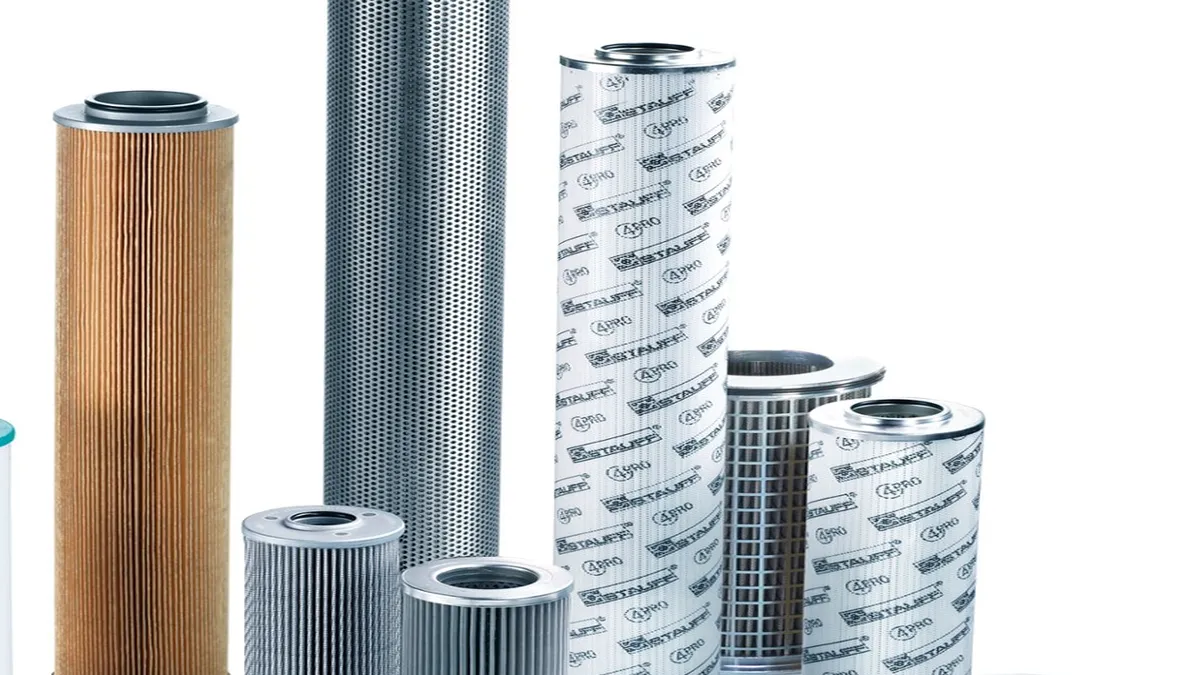
PLEATPURE filter cartridges for power & energy filtration — factory-direct manufacturing.
Why Filtration Matters Here
Filter cartridges for power plants — turbine lube oil, EHC hydraulics, gas turbine intake, cooling water and fuel polishing. Factory-direct from PLEATPURE.
- Turbine lube oil cartridges with 3–10 µm rating to protect bearings and journals
- EHC and governor elements for fire-resistant control fluids
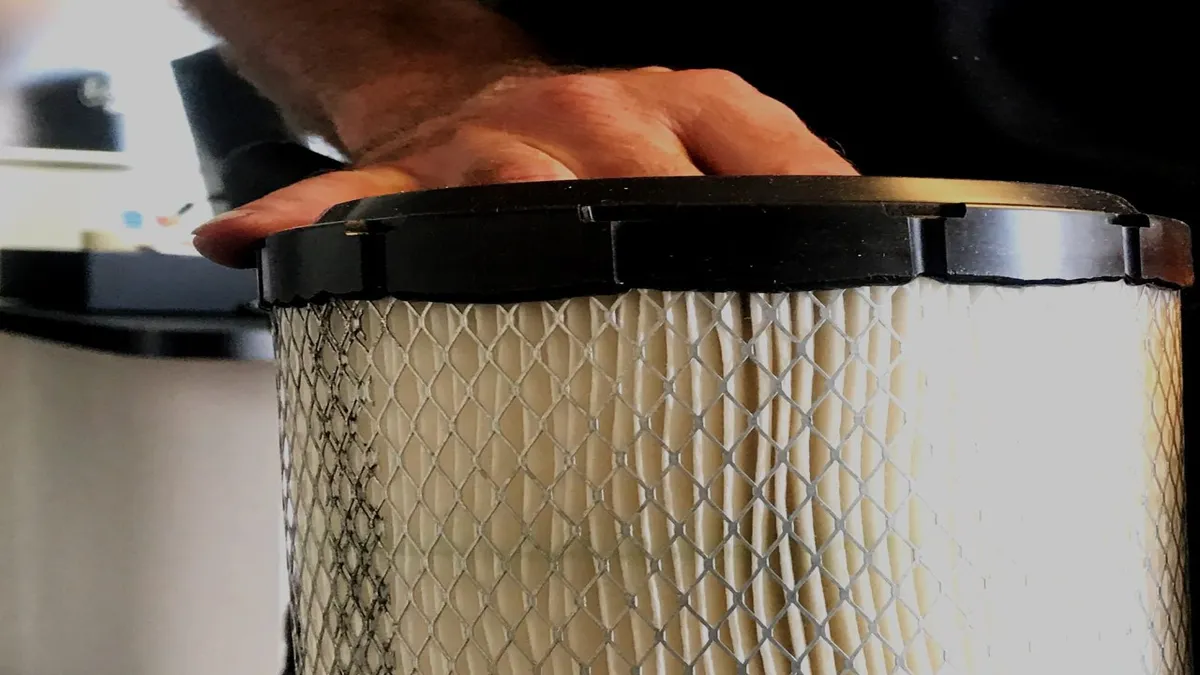
- Gas turbine intake elements with high dust-holding capacity
- Fuel polishing cartridges to keep diesel and HFO within injection spec
- Cooling water and boiler feed pre-filtration to protect heat exchangers and membranes
APPLICATIONS
Filter Applications in Power & Energy Filtration
| Application Point | Recommended Cartridge | Why |
|---|---|---|
| Turbine lube oil system | Pleated lube oil element, 5–10 µm | Protects journal bearings and thrust pads from wear particles; a single bearing failure costs far more than a filter change. |
| Gas turbine intake | Pleated barrier intake elements, F9 or finer | Removes atmospheric dust before the compressor; intake restriction directly cuts output and heat rate. |
| Hydraulic control systems | High-pressure hydraulic elements, 3–6 µm | Servo valves have tight clearances; one debris slug can trip the unit. |
| Cooling water | Pleated or bag cartridges, 25–100 µm | Protects heat exchangers, cooling tower nozzles and strainers from fouling. |
| Fuel filtration | Fuel polishing cartridges, 5–10 µm | Removes water and particulates so injectors and burner nozzles stay within spec. |
SELECTION GUIDE
How to Choose Filters for Power & Energy Filtration
1. Map every oil and water loop
Lube oil, EHC, intake, cooling water and fuel each need a different micron and housing. List flow rate, pressure and contamination source for each loop.
2. Match micron to component clearances
Bearings and servo valves run at 3–10 µm; cooling water at 25–100 µm. Finer is not always better — it only shortens element life.
3. Check fluid compatibility first
EHC fluids (phosphate ester) and turbine oils need media and seals that resist the fluid. Confirm compatibility before quoting.
4. Size for flow and pressure drop
Worked example: a 60 GPM lube oil loop at 80 psi — two 10-inch, 10 µm elements with 3–5 psi clean ΔP leaves margin.
5. Plan change-out by ΔP, not calendar
Track differential pressure and change on trigger. See the filter cartridge replacement schedule guide for interval planning.
CHALLENGES & SOLUTIONS
Common Filtration Challenges
Bearing wear from unfiltered lube oil
Change lube oil elements when ΔP rises 10–15 psi above clean, and check the oil analysis for iron and copper. A $30 element protects a $50,000 bearing set.
Servo valve sticking and unit trips
Keep EHC elements on a fixed 6–12 month schedule plus a ΔP trigger. Servo valve clearances are measured in microns — debris is a trip risk.
Intake restriction cutting turbine output
Change intake elements on ΔP or a seasonal schedule; desert and coastal sites load faster. Every inch of water column restriction costs measurable output.
Recommended Products for Power & Energy Filtration
FAQ
Power & Energy Filtration — FAQ
What micron rating do turbine lube oil filters use?
Most turbine lube oil systems run 5–10 µm elements with high dirt-holding media. The exact rating depends on bearing clearances and oil analysis results.
How often should power plant filter cartridges be replaced?
Lube oil elements run 6–12 months, intake elements 1–3 years, fuel polishing on a ΔP trigger. Change on pressure drop first, calendar second.
Can PLEATPURE supply gas turbine intake filter elements?
Yes — pleated barrier elements in standard sizes, with high dust-holding capacity for desert and coastal sites. Send your housing dimensions and airflow for a match.
POPULAR SEARCHES
What Buyers Search in This Category
* Search terms collected from Semrush competitor keyword data — contact us to discuss matching products.