
Automotive Manufacturing Filtration
Pleated, depth and hydraulic filter cartridges for automotive plants — paint lines, CNC coolant, parts washing, hydraulic presses and air tools. Factory-direct from PLEATPURE.
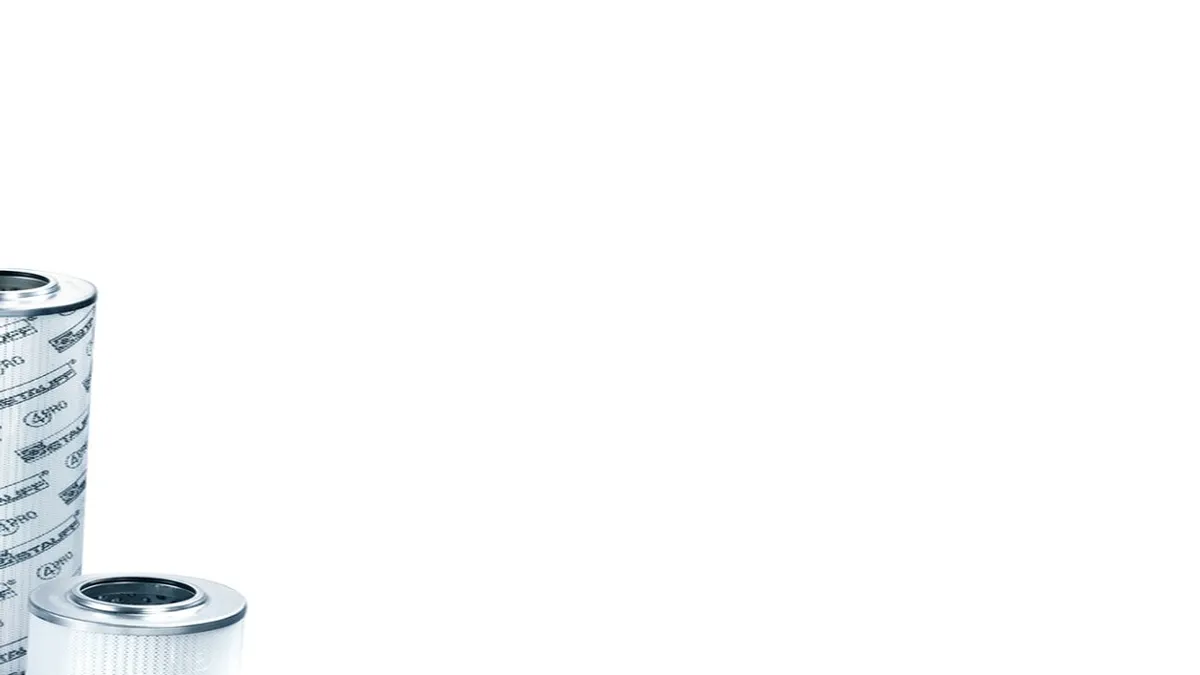
PLEATPURE filter cartridges for automotive manufacturing filtration — factory-direct manufacturing.
Why Filtration Matters Here
Pleated, depth and hydraulic filter cartridges for automotive plants — paint lines, CNC coolant, parts washing, hydraulic presses and air tools. Factory-direct from PLEATPURE.
- Paint booth supply air and overspray filters for a clean, defect-free finish
- CNC coolant filtration at 5–25 µm to protect tool edges and surface finish
- Parts washing bag and pleated filters for stable wash chemistry
- High-pressure hydraulic elements for presses, transfer lines and robots
- Coalescing and particulate elements for compressed air tools and controls
APPLICATIONS
Filter Applications in Automotive Manufacturing Filtration
| Application Point | Recommended Cartridge | Why |
|---|---|---|
| Paint line supply air | Pleated panel filters, G4–F9 class (typical) | Stops dust and oil mist from landing in wet paint. A single blemish triggers a full rework cycle. |
| CNC coolant filtration | Pleated or depth cartridges, 5–25 µm | Clean coolant protects tool edges and surface finish. Chip fines recirculate like grinding paste. |
| Parts washing lines | Bag filters 25–100 µm, then pleated 10 µm | Removes machining swarf and shop dirt before rinse stages, keeping wash chemistry stable. |
| Hydraulic press circuits | High-pressure hydraulic elements, 10–25 µm (typical) | Pump wear debris and contamination cause valve sticking and unplanned downtime. |
| Compressed air for tools | Coalescing and particulate elements, 1–5 µm (typical) | Water, oil and rust particles in the line shorten tool life and ruin air-operated controls. |
SELECTION GUIDE
How to Choose Filters for Automotive Manufacturing Filtration
1. Map every fluid circuit
List each loop: paint supply air, coolant sumps, wash tanks, press hydraulics, tool air. Each carries a different contaminant and flow.
2. Match micron to the duty
Coolant 5–25 µm, wash water 25–100 µm, hydraulic 10–25 µm (typical), air 1–5 µm. Go fine where finish matters, coarse where chips are heavy.
3. Size for flow and pressure
Worked example: 200 L/min sump, 40 L/min per machine — four 10-inch cartridges at 10 µm leave margin at 2–4 psi clean ΔP.
4. Set change triggers
Track ΔP and coolant tramp-oil levels. Change when ΔP rises 10–15 psi above clean, not on the calendar alone.
5. Standardize on interchange fits
Use interchange elements that match OEM dimensions, so one spare-parts list covers every line and press.
CHALLENGES & SOLUTIONS
Common Filtration Challenges
Paint defects from dirty booth air
Upgrade intake and final-stage media, and check seals monthly. Clean air is cheaper than a rework loop at $30–80 per panel (typical).
Chip fines and tool wear in coolant
Add a 10–25 µm cartridge loop to the sump. Filtered coolant extends tool life and cuts disposal cost.
Hydraulic downtime from contamination
Fit 10 µm (typical) return-line elements and sample oil quarterly. One $15 element change protects a $4,000 pump.
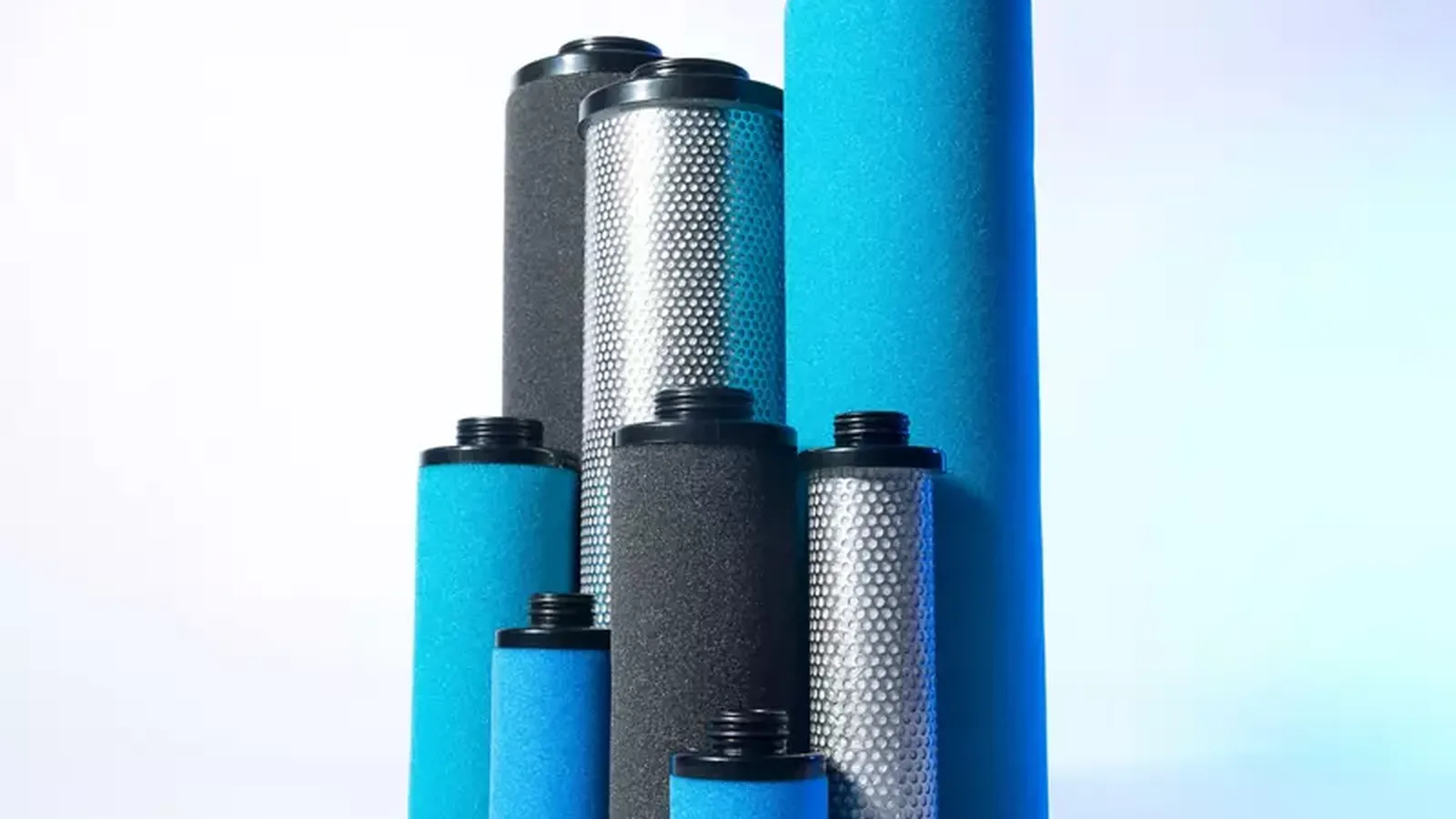
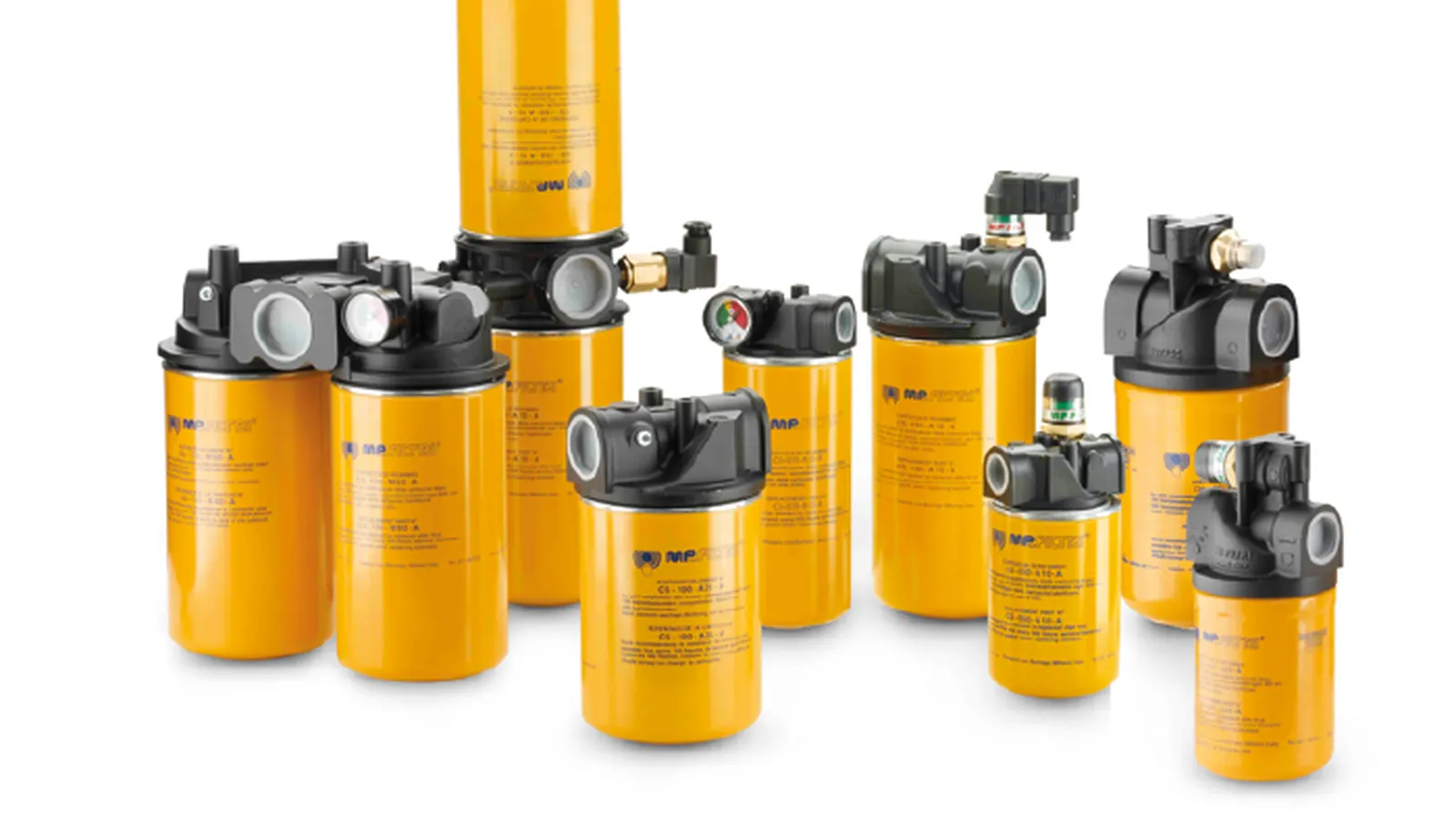
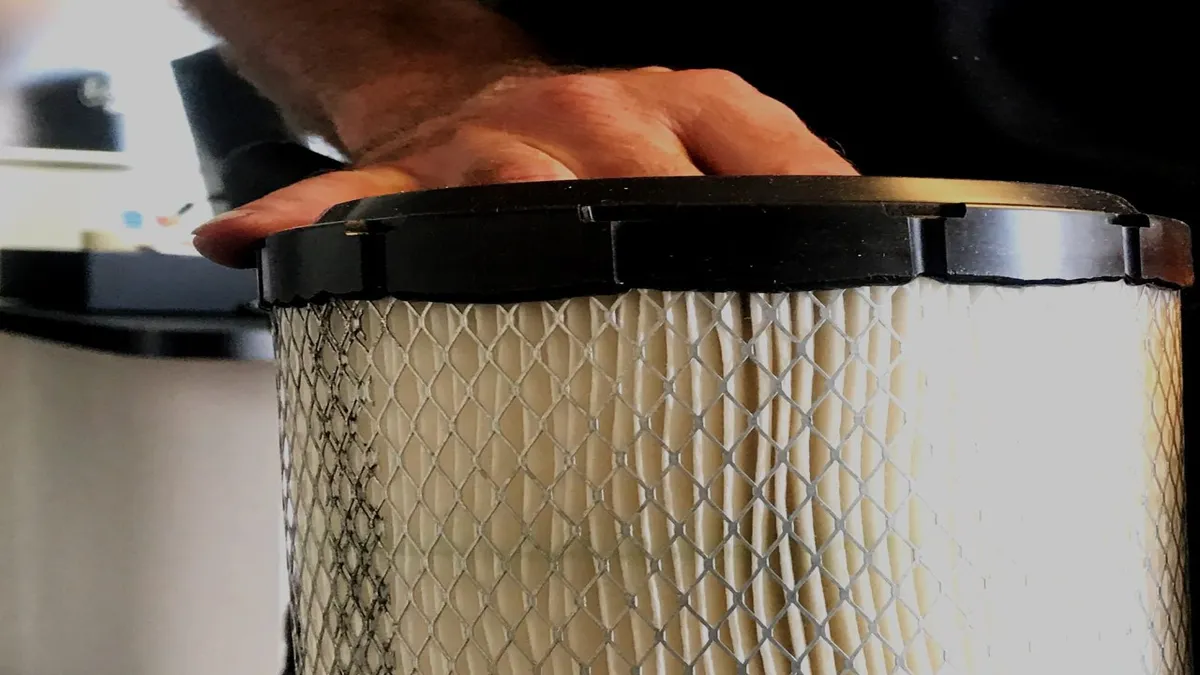
Recommended Products for Automotive Manufacturing Filtration
FAQ
Automotive Manufacturing Filtration — FAQ
What filter is best for CNC coolant?
A 10–25 µm pleated cartridge on a bypass loop keeps fines out of the sump. Coarser holds more chips; finer protects tight tool clearances.
How often should automotive plant filters be changed?
Change on pressure drop, not calendar: 10–15 psi above clean, or when coolant looks milky. Typical service runs 1–3 months on coolant loops.
Can PLEATPURE supply OEM-style interchange elements?
Yes. We build hydraulic and air elements to OEM dimensions, with private-label options. Send a sample or drawing for a cross check.
POPULAR SEARCHES
What Buyers Search in This Category
* Search terms collected from Semrush competitor keyword data — contact us to discuss matching products.