
Dust Collector Cartridge vs Filter Bag: Which Media Fits Your System? | PLEATPURE
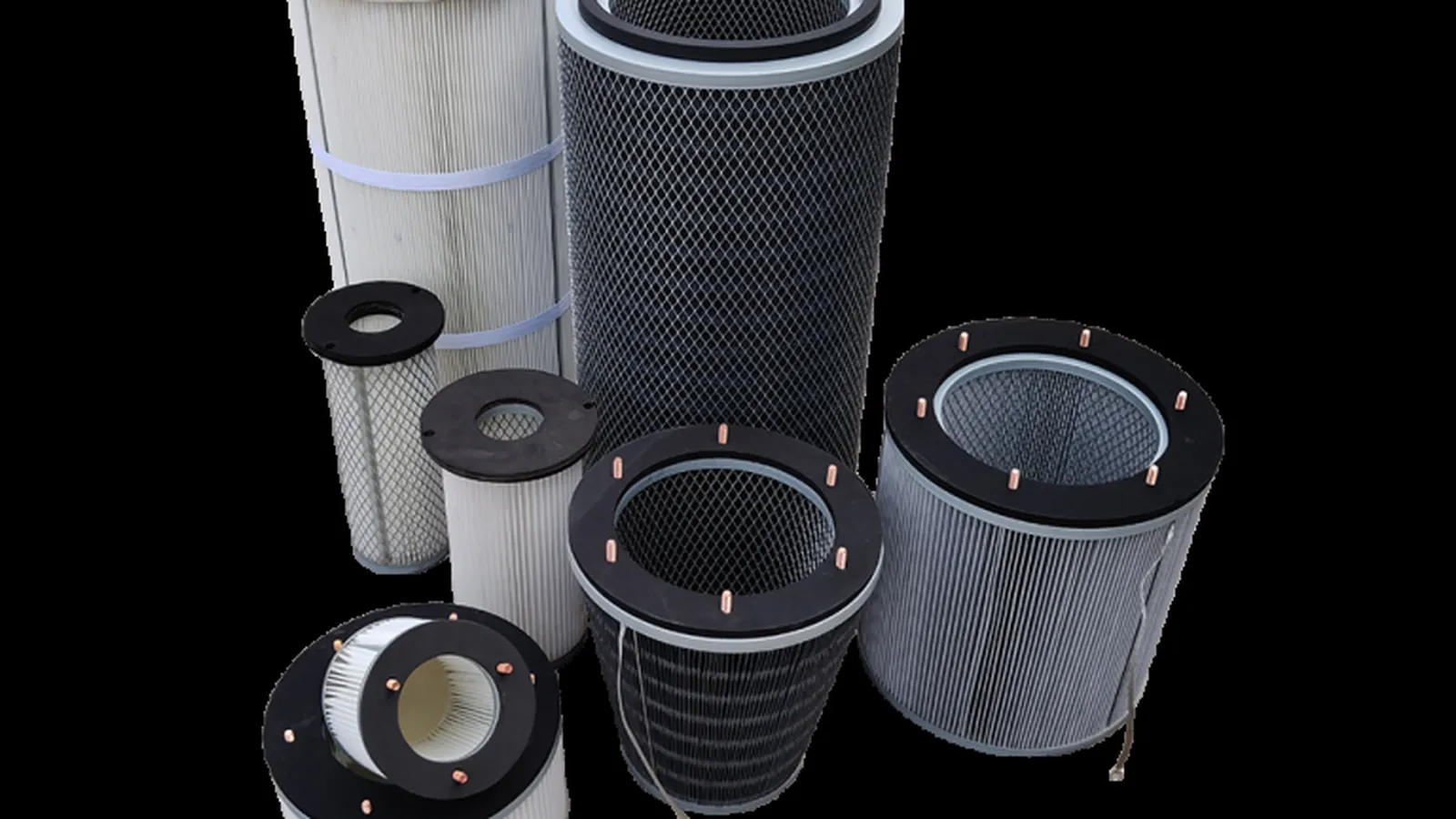
Table of Contents
A metalworking plant in Monterrey bought a used baghouse designed for filter bags and decided to "upgrade" it with pleated cartridges on the same tube sheet. The cartridges fit the flanges but the pulse cleaning never developed enough pressure — the system had been sized for bag cleaning energy, not cartridge demand. The result: blinding within weeks, pressure drop climbing past the fan's limit, and a production line down while the plant sourced a new collector.
The dust collector cartridge versus filter bag decision is not a preference — it is a system decision. The two media are not interchangeable in the same machine, because the machine (cleaning energy, inlet velocity, filter area, housing geometry) is designed around one or the other. This guide compares how each works, the numbers that matter (filtration area, air-to-cloth ratio, pressure drop, temperature), when each is the right choice, and what a retrofit actually costs. It ends with a direct call for your dust load.
Key Facts at a Glance
- Filtration area — A pleated cartridge packs roughly 2–4× the filter area of a bag in the same envelope, so cartridge collectors run smaller housings for the same air volume.
- Air-to-cloth ratio — Cartridge collectors typically run 1.5–3:1 m/min; bag collectors 0.8–1.5:1 — cartridges allow more air per unit of media.
- Cleaning — Both use pulse-jet cleaning, but cartridges need higher pulse pressure (typically 5–7 bar) and tighter media stiffness to shed dust; bags clean at lower pressure with a fuller flex.
- Temperature — Polyester bags and cartridges both top out around 150°C (continuous); higher needs Nomex, PPS, PTFE or aramid media in either form.
- Dust character — Cohesive, sticky or hygroscopic dusts favour bags (full flex shedding); fine, abrasive or high-volume dusts favour cartridges (deep media, high area).
Two Systems, Two Media
Both technologies do the same job — separate dust from an air stream — but they are different systems, not different grades of the same thing. A baghouse is a set of long cylindrical socks (bags) stretched over wire cages, hung from a tube sheet. Dirty air enters around the bags, dust cakes on the fabric, and a pulse of compressed air flexes the bag to shed the cake. A cartridge collector uses pleated, rigid elements — paper or polyester pleated into a cylinder with a metal or plastic core — hung in the same housing. The pleats multiply the filter area; the rigid structure holds shape so the pulse can clean it.
The practical difference shows in the machine: cartridge collectors are more compact, run higher air-to-cloth ratios, and capture fines well, but they need higher cleaning energy and are more sensitive to moisture and sticky dusts. Baghouses are larger and run lower ratios, but they tolerate tough dusts better and are cheaper to re-media. The best choice is decided by your dust, your space, and your existing machine — not by preference.
Filter Bags: How They Work
A filter bag is a fabric tube, typically 130–160 mm diameter and 2–6 m long, held open by a wire cage. Filtration happens on the surface: dust cakes on the fabric, and the cake itself becomes the filter medium (which is why bags filter better as they load). Cleaning is a pulse of 3–5 bar compressed air down the bag mouth, which creates a shock wave that flexes the fabric and snaps the cake off.
The bag's advantage is its flex. A woven or felted fabric bag can flex and shed tenacious, sticky or fibrous dusts that would blind a rigid cartridge. Bags are also cheap per unit to replace, and baghouse geometry is well understood across every industry. The trade-offs: low filtration area per envelope (so bigger housings), lower air-to-cloth ratios, and a fabric that can flex-fatigue over years of pulsing.

Dust Collector Cartridges: How They Work
A pleated cartridge is a rigid cylinder of pleated media — typically polyester, cellulose/polyester blend, or PTFE-coated — with the pleats multiplying surface area 2–4× versus a flat bag of the same envelope. Filtration is on the pleat surfaces; the depth of the pleat channels creates a stable, high-area filter. Cleaning is a stronger pulse (typically 5–7 bar) that flexes the pleats enough to shed the cake.
The cartridge's advantage is density: more filter area per housing, higher air-to-cloth ratio, and better fine-dust capture (especially with PTFE or nanofiber media). Cartridge collectors are smaller, use less floor space, and often capture sub-micron fines better than bags. The trade-offs: higher cleaning energy, sensitivity to moisture and sticky dusts (pleats can blind irreversibly), and a rigid structure that cannot flex like a bag for tenacious cakes.

Direct Comparison Table
| Parameter | Filter bags | Dust collector cartridges |
|---|---|---|
| Filter area per element | 1× baseline (flat fabric) | 2–4× (pleated) |
| Air-to-cloth ratio | 0.8–1.5 m/min (typical) | 1.5–3 m/min (typical) |
| Cleaning pressure | 3–5 bar | 5–7 bar |
| Dust shedding | Full fabric flex; good for sticky/cohesive dusts | Pleat flex; best for dry, free-flowing dusts |
| Fine dust capture | Good; improves as cake forms | Excellent with PTFE/nanofiber media |
| Moisture/sticky dust | More tolerant; can still blind but easier to recover | Sensitive; pleats can blind irreversibly |
| Housing size | Larger for same air volume | Compact (2–4× area density) |
| Element cost | Lower per unit | Higher per unit but fewer needed |
| Temperature (polyester) | Up to ~150°C continuous | Up to ~150°C continuous (media dependent) |
When to Choose Bags
- Sticky, cohesive, hygroscopic or fibrous dusts — flour, sugar, resin, fiberglass, lime with moisture. The bag's full flex sheds cakes a cartridge cannot.
- Existing baghouse infrastructure — you already own the machine; re-media with bags is the lowest-cost path, and retrofit has its own costs (below).
- High temperature with special media — Nomex, PPS, PTFE, aramid bags for 200–260°C service where cartridge equivalents are harder to source.
- Very coarse or high-load dust — bags tolerate heavy, abrasive loads with predictable performance and cheap replacement.
When to Choose Cartridges
- Fine, dry, free-flowing dust — welding fume, metal powders, cement, coal, wood sanding. Cartridges capture fines well and clean reliably.
- Space-constrained installations — retrofit into existing buildings, rooftops, compact skids. The 2–4× area density shrinks the housing.
- Higher airflow in the same footprint — upgrade a collector's capacity without a new building, or lower the air-to-cloth ratio (hence pressure drop) for energy savings.
- Sub-micron or toxic fines — PTFE-coated or nanofiber cartridges give the highest filtration efficiency for respirable fines.
Retrofit Considerations
Swapping bags for cartridges on an existing baghouse is rarely a direct exchange, and the failure story at the top of this guide is the norm, not the exception. Four things must change:
- Tube sheet and mounting — cartridges need a different seal arrangement (often a gasket or spin-on flange) than a bag's ring and cage.
- Pulse system — cartridge cleaning needs higher pressure and often a different pulse header; an undersized system blinds the media.
- Inlet velocity and dust distribution — cartridges are more sensitive to inlet velocity and uneven loading; baffles or inlet changes are usually needed.
- Air-to-cloth ratio re-baseline — you can pull more air, but the fan and motor must handle the new pressure drop profile; otherwise you gain area and lose flow.
A well-executed retrofit can double capacity or halve footprint. A rushed one costs more than a new collector. If you are considering it, send us the current collector's drawings, the dust analysis and the target air volume — we will tell you honestly whether the retrofit works or a new machine is cheaper.
The Final Call
Bags win on sticky and tenacious dusts, low re-media cost, and high-temperature special media. Cartridges win on space, airflow density, fine-dust efficiency and compact machines. Your dust character and your existing hardware decide — not fashion, and not whichever media the last sales rep quoted. Send us the dust analysis and the collector details; we will match the media, not the pitch.
NEXT STEP
Ready to Switch to Replacement Filter Cartridges?
Send us your element dimensions or part numbers — our team responds within 24 hours with pricing and lead time.
Written by
Ray ChanFiltration Buyer's Guide Author · Industrial Filter Cartridge Specialist. Ray helps global importers, distributors and maintenance teams source factory-direct replacement filter cartridges.